
If you’ve ever tried wiping up grease with the wrong kind of wiper, you’ve probably experienced frustrations like wipes falling apart, smearing the mess around, or leaving lint behind.
That’s because different jobs require different types of wipers.
Wipers handle everything from heavy oil cleanup to delicate surface preparation. Some are built for durability and reuse, while others are designed for precision, low linting, or chemical resistance.
Understanding the differences between these options can help you improve cleaning performance, control costs, and maintain safer work environments.
In this article, we’ll explore the most common types of industrial wipers and where each one works best.
How This Article Evaluates Janitorial Wipers
Choosing the right wiper becomes much easier if you ask the right questions first. Each of these questions below can help you clarify how different materials perform in actual cleaning environments.
1. What Kinds of Cleaning Tasks Are Most Common?
Different wipers are designed for different jobs.
Light dusting and glass polishing need precision and lint control, while restroom disinfecting needs durability, even with heavy chemical saturation. Spill cleanup requires high absorbency, and grease removal may demand stronger materials.
Using a heavy-duty wiper for light dusting wastes money. Using thin paper for disinfecting wastes time.
Matching the material to the task is likely the most important first step to take.
2. What Types of Liquids Will You Use the Wiper On?
Yes, absorbency includes how much liquid the wiper can hold, but it’s also about what kinds of liquids it handles well.
Water based cleaners, disinfectants, grease, oils, and bodily fluids all behave differently. Paper products tend to be good for water absorption, but struggle with oils. Engineered nonwoven materials often handle both more effectively.
If your team needs five wipes to clean up one spill, it’s usually because of a material mismatch, not a training issue.
3. How Strong Does the Wiper Need to Be When Wet?
Wet strength is one of the most overlooked factors when it comes to choosing the right wiper.
Many cleaning tasks involve spraying chemical directly onto the wiper or soaking it in a bucket system. Weaker materials will likely break down when saturated, leading to tearing, shredding, and extra sheet usage.
Stronger materials designed for wet environments hold together better, support proper disinfectant dwell time, and help reduce total wiper consumption.
4. What Level of Hygiene Control Is Required?
Different facilities have different contamination risks and requirements.
Healthcare environments, foodservice kitchens, and schools often need stricter hygiene controls than office buildings or warehouses.
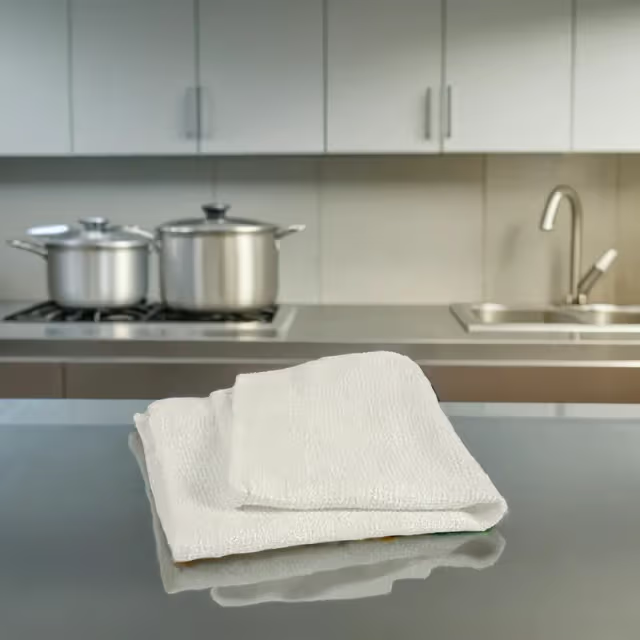
Reusable cloth systems can perform very well in many different environments, but they require strict laundering and color-coding protocols. Disposable wipers reduce the risk of cross-contamination but increase waste.
Your wiper choice should align with the hygiene standards expected in your industry.
5. What Is the True Cost Per Task?
The cost per case almost never tells the whole story.
You must also consider how many wipers are needed to complete a task, how much labor time the task requires, and how much chemical is being used.
A product that costs less upfront but doubles sheet usage can quietly but surely become the more expensive option over time.
Always evaluate wipers based on their cost per task, not just the cost per case.
6. Does the Wiper Fit Into Your Workflow?
Cleaning supplies only work well if they can easily integrate into your daily routines.
Consider:
- How the wipes are dispensed
- Where they are stored
- How quickly staff can access them
- Whether they require laundering or disposal
Loose stacks of wipes can lead to overuse and contamination. Controlled dispensing systems will likely produce more predictable usage patterns.
The right wiper should support your cleaning workflow, not complicate it.
Step-by-Step: How to Choose the Best Janitorial Wiper
Now that we understand the major factors involved, let’s walk through a practical decision-making process.
Follow these steps to help you narrow down the best option for your facility:
1. Identify Your Most Common Cleaning Tasks
2. Evaluate Soil Types and Liquids
3. Determine Hygiene Requirements
4. Consider Labor and Workflow
5. Compare Cost Per Use
6. Align With Sustainability Goals
1. Identify Your Most Common Cleaning Tasks
Ask yourself: What does our cleaning team spend the most time doing?

Start by looking at what your cleaning team is actually doing throughout the course of the day.
Different tasks typically need different wiping materials. If the majority of their tasks involve disinfecting, durability and wet strength are what you should be looking for in a wiper. If your team spends more time dusting or polishing, lint control will likely be more important. Spill cleanup demands a high-absorbency option.
For facilities that spend most of their time performing light cleaning tasks like wiping down desks, countertops, or door handles, microfiber or nonwoven wipes may provide the best performance. If your team constantly deals with large liquid spills, look for something absorbent like cotton rags or heavy-duty industrial wipers.
Maybe you have more than one primary focus to consider. Trying to use a single wiper for every task can be inefficient. If that’s the case, having two or three go-to types on hand may be the better way to go instead of forcing one product to handle everything.
Start with the task first, not the material.
2. Evaluate Soil Types and Liquids

Ask yourself: Are we mostly dealing with water-based cleaners, grease, heavy spills, or other kinds of soils?
Next, consider what types of soils your staff needs to clean.
Water-based cleaning chemicals behave very differently than oils, grease, or thick residues. Standard paper towels may absorb water quickly but struggle with oils. Engineered disposable wipes and cloth materials are often a better choice for heavy soils.
If your staff regularly needs handfuls of wipers to handle one spill or cleaning task, you probably have the wrong material for the job.
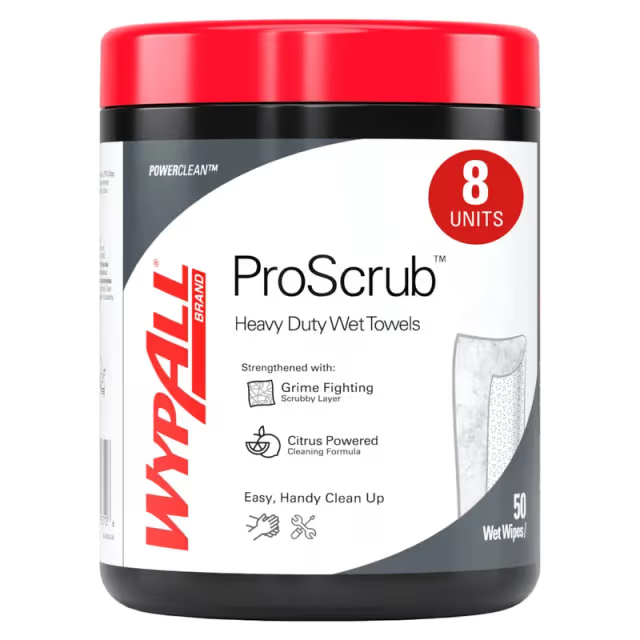
Choosing a wiper based on the most common soils in your facility can drastically reduce your wiper usage and cleaning time.
3. Determine Hygiene Requirements
Ask yourself: How sensitive is our environment to cross-contamination?
Not every facility faces the same hygiene challenges.

Healthcare, foodservice, and childcare environments often have strict sanitation requirements. In these spaces, minimizing cross-contamination is crucial.
These types of settings will likely benefit most from disposable wiping systems like pre-saturated disinfecting wipes because they typically offer the lowest risk of contamination.
Reusable microfiber cloths are also an option, but they require strong laundering and color-coding systems to prevent cross-contamination. Disposable wipes are usually the safest way to go.
4. Consider Labor and Workflow
Ask yourself: How easy will it be for our staff to use these every day?

Wiping systems should make cleaning easier, not more complicated.
Reusable microfiber cloth systems are an appealing choice because they reduce disposable waste, but they require collection, laundering, sorting, and redistribution. Facilities with strong operational discipline can manage this. Others may find that this process creates more work than expected.
Disposable wipers can simplify the workflow, because they eliminate the laundering process entirely. Staff can grab what they need, complete the task, and dispose of the wipe immediately. Just keep in mind that this does increase waste.
Think carefully about your team’s workflow. The best solution is almost always one that fits naturally into your workflow without adding unnecessary or unmanageable steps.
5. Compare Cost Per Use
Ask yourself: How many wipes should it take to complete common tasks?
It’s easy to only focus on the purchase price on a case of wipes, but that number is rarely the full picture.
What matters more is how many wipes are needed to complete a cleaning task. This is because there are many other factors that also go into the cost per task, including:
- Labor time spent cleaning
- Chemical use
- Waste disposal
- Inventory storage
- Restocking costs
Track sheet usage during routine cleaning if possible. The data you collect will likely provide a more accurate picture than relying on the case price or product specifications alone.
The right material for the job (even if it has a higher per-sheet cost) will almost always result in lower overall spending due to lower labor and usage, as well as fewer reworks.
6. Align With Sustainability Goals
Ask yourself: Are we trying to reduce waste? Or increase reuse?
Many facilities are looking for ways to reduce waste and operate more sustainably.
Reusable microfiber and cotton systems help reduce landfill waste but require water and energy use for laundering. High-efficiency disposable systems can also reduce waste when they improve cleaning efficiency. Many wipers come in recyclable packaging.
Just make sure your sustainability efforts aren’t eating into your cleaning efficiency. A more sustainable wiper option that creates unnecessary waste is still compromising eco-friendliness.
How These Factors Translate Into Real Wiper Choices
Now that we’ve covered the decision process, let’s look at how these considerations can translate into actual wiper choices.
Standard Paper Towels

Standard paper towels are best suited for light-duty wiping tasks where convenience and low upfront cost matter most. They work well for quick surface wipes and small water spills but tend to break down when they’re oversaturated with chemicals or heavy soils.
They’re best in environments where:
- Staff need a simple, disposable wiping option for quick tasks
- Cleaning mostly involves water-based liquids or light surface dust
- Supply cost needs to stay low and accessibility is important
- Frequent disposal is acceptable and cross-contamination risk is low
Heavy Duty / Industrial Paper Wipers
Heavy duty paper wipers offer improved strength and absorbency over standard paper towels. They are designed to handle moderate cleaning tasks and routine janitorial work without falling apart when wet.
They’re best in facilities where:

- Staff regularly disinfect surfaces or wipe down equipment
- Stronger absorbency is needed for moderate spills
- Teams need a disposable option that holds together during use
- Cleaning tasks vary between light wiping and heavier soil removal
Nonwoven Disposable Wipers (Spunlace / Hydroentangled)
Nonwoven wipers combine the durability of cloth options with the convenience of disposables. Their engineered fiber structure helps them maintain strength for most cleaning tasks, even when they’re saturated with chemicals, solutions, or soils.
They’re best in environments where:
- Consistent cleaning performance is required across many tasks
- Disinfecting chemicals are used frequently throughout the facility
- Reducing cross-contamination risk is a high priority
- Teams need a durable, but disposable option for everyday cleaning
Microfiber Cloths

Microfiber cloths are designed with split fibers that trap dust, bacteria, and fine particles effectively. They are widely used for high-touch and high-visibility cleaning and polishing, but require proper laundering and color-coding systems.
They’re best in facilities where:
- Dust capture and surface polishing are important priorities
- High-touch surfaces need frequent cleaning and disinfecting
- Staff follow strict color-coding and laundering procedures
- Reducing disposable supply waste is a sustainability goal
Cotton / Terry Cloth Rags

Cotton rags are highly absorbent and durable, making them well suited for large spill cleanup and general maintenance work. Their thicker construction allows them to handle heavier soils and repeated use. However they are less effective for precision cleaning or hygienic controls.
They’re best in environments where:
- Large liquid spills or heavy soils are common
- Maintenance teams need durable wiping materials
- Precision cleaning, hygiene, and lint control are less critical
- Reusable supplies fit into the facility’s operational workflow
Pre-Saturated Disposable Wipes
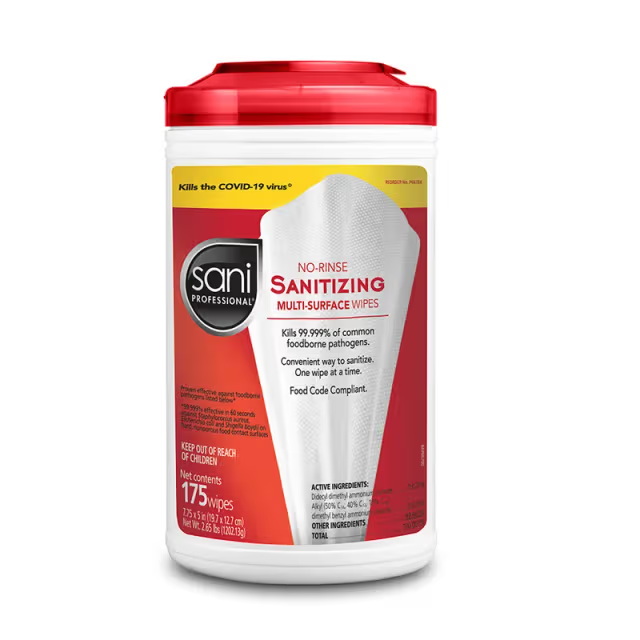
Pre-saturated wipes combine a wiper with a chemical into one product. They are designed to come out of the package at exactly the right dilution and saturation levels. No dosing or mixing needed. This simplifies disinfecting procedures, supports hygiene requirements, and helps ensure consistent chemical coverage across surfaces.
They’re best in facilities where:
- Quick and consistent disinfecting is required throughout the day
- Staff need a simple, ready-to-use solution
- Chemical dilution and mixing errors need to be minimized
- Regulatory hygiene standards require strict sanitizing or disinfecting practices
Specialty Low-Lint Wipers
Low-lint wipers are designed to minimize fiber shedding during cleaning, which makes them ideal for delicate or highly visible surfaces where lint contamination could cause quality issues.
Common Wiper Selection Mistakes Facilities Make
When choosing cleaning wipers, avoid these common pitfalls:
- Choosing based only on purchase price. Low-cost materials can lead to higher sheet usage and wasted labor.
- Using the same wiper for every cleaning task. Different cleaning tasks require different materials.
- Ignoring your workflow requirements. Reusable systems only work with proper laundering and color-coding systems are in place.
- Overlooking wet strength: Materials that tear while disinfecting can dramatically increase supply usage.
- Trying to maximize sustainability at the expense of performance. A sustainable product that doesn’t perform well usually leads to more waste, not less.
Final Thoughts
Janitorial wipers may seem like they’re interchangeable, but they play a major role in how efficiently your cleaning operation runs.
From chemical effectiveness and labor efficiency to hygiene control and supply consumption, the right wiping system can solve operational problems that many facilities struggle with every day. The wrong one can create even more problems.
There is no single “best” wiper for every situation. The best choice is the one that aligns with your cleaning tasks, soil types, workflow, and operational priorities.
Need help choosing the right wipers for your cleaning operation? Reach out to Imperial Dade! Our specialists can evaluate your current supply usage, identify opportunities for improved efficiency, and recommend cleaning solutions designed to perform in real-world environments.