
Sealing boxes seems like a simple process…that is until you’re the one responsible for getting hundreds or thousands of packages shipped out every week. Suddenly, the type of packaging tape you choose isn’t a small detail. It affects how secure your shipments are, how much tape you use, how clean your packages look, and even how customers feel when they receive their order.
There are two types of case-sealing tapes that dominate the commercial and industrial world: water activated tape (WAT), also known as gummed tape, and pressure sensitive tape (PST), which includes your usual clear or tan carton sealing tapes. Although both can get the job done, they do it in completely different ways, with each offering their own benefits and tradeoffs.
In this article, we’ll walk you through the comparison points that matter most to packaging teams, explore how each kind of tape performs in each category, and help you choose the tape that best fits your workflow, budget, and long-term business goals.
Let’s get started!

Key Comparison Areas
When comparing different kinds of tape, it can be easy to only focus on the upfront price. But that’s just one piece of the puzzle. The best way to evaluate carton-sealing tapes is to look at how they perform over several practical areas that directly affect your operations.
| KEY COMPARISON AREA | EXPLANATION |
| Seal Strength | How well does each tape grip, bond, and resist tampering to keep your box fully sealed |
| Application Speed / User Experience | Is the tape easy to apply and does it curl or shred |
| Material Usage & Waste | Does the tape require more strips, reapplication, or reinforcement than others |
| Appearance & Branding Potential | Does the tape detract from or enhance the customer’s experience |
| Carton Compatibility | How well does the tape interact with or bond to different cardboard types |
| Cost-In-Use | How expensive is it to use a given tape, including price per roll, labor, |
| Best Use Cases | In what situations is each tape a good fit? |
With these points in mind, we can now walk through how each tape type performs so you can understand the pros and cons of each one.
Water Activated Tape (WAT)
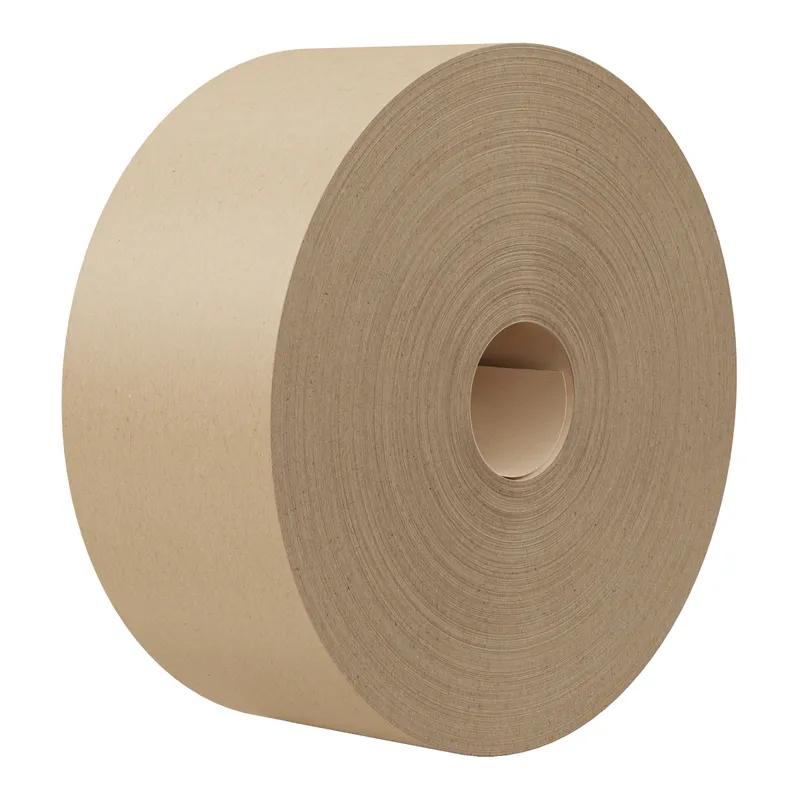
Water activated tape has a unique way they seal cartons. Instead of a sticky adhesive that clings on contact, WAT, as the name implies, activates when it’s exposed to water. The moisture softens the adhesive, allowing it to bond directly to the cardboard fibers. Once the tape dries, it forms a permanent, tamper-evident seal that essentially becomes part of the box itself.
Seal Strength
WAT stands out when it comes to seal strength. Because it penetrates into the fibers of the corrugated board, it creates a secure, fast-drying seal that resists shifting, humidity, temperature, and stress.
If you are worried about theft or tampering, WAT provides immediate visual evidence if someone tries to break in.
Application Speed / User Experience
In terms of application speed, WAT works differently depending on your workflow.
Manual dispensers add one extra motion (moistening the tape), but provide a smooth and consistent application that reduces frustrations like tape sticking to itself or tearing unevenly.
Automated or semi-automated WAT machines dramatically speed things up, turning tape activation into a single-step process and helping high-volume fulfillment lines maintain impressive throughput.
Material Usage & Waste
Material usage is another area where water activated tape excels. Because the tape bonds so tightly, a single strip is nearly always enough to seal the top or bottom of a carton, even with heavy loads.
There is no need for multiple passes or reinforced H-patterns, which significantly cuts down on tape waste over time.
Appearance & Branding Potential
From an appearance and branding perspective, WAT creates a clean, professional look that feels intentional and high-quality.
Their kraft color blends seamlessly with corrugated cartons, and companies can easily print logos, messages, handling instructions, or security patterns directly onto the tape. This allows you to utilize the tape as a branding asset in addition to a necessary tool.
Carton Compatibility
When it comes to carton compatibility, water activated tape works especially well with recycled or lower-grade corrugate. These boxes tend to have imperfections on their surfaces, and the fiber-bonding of WAT ensures a strong seal that pressure sensitive tape can sometimes struggle to achieve.
Cost-In-Use
The cost-in-use calculation also works in WAT’s favor more often than you’d expect. While rolls typically cost more upfront, the reduced material usage, faster overall sealing, fewer failed seals, and increased package security all add up to considerable savings over time.
Companies with moderate-to-high shipping volumes will more often find that WAT pays for itself in efficiency and reliability alone.
Best Use Cases
- Ideal for high-volume fulfillment operations that need fast, consistent, professional-looking seals.
- Best for heavy, dense, or high-value shipments that require a strong, tamper-evident bond.
- Performs exceptionally well with recycled or lower-grade corrugate where fiber bonding improves the seal’s integrity.
- A great fit for brands that prioritize presentation, custom printing, or a clean, premium unboxing experience.
- Reliable in dusty, humid, or temperate (cold or hot) environments where other adhesives may fail.
- Works most efficiently when paired with a semi- or fully-automated WAT dispenser in fast-moving workflows.
Pressure Sensitive Tape (PST)
Pressure sensitive tape is the workhorse of the industrial packaging world. It’s everywhere, it’s familiar, and it’s easy to use. It sticks on contact, requires no activation step, and comes in a wide range of thicknesses, adhesives, and dispenser options.
Seal Strength
With PST, you can expect reliable seal strength for standard weight packages, but it generally doesn’t match the deep bonding ability of WAT.
Since it sits on top of the box surface instead of integrating into the fibers, external factors like dust, humidity, and recycled cardboard can weaken its hold.
For lightweight shipments or irregular boxes, PST still works well, but heavier boxes often require multiple strips and strategic tape placement.
Application Speed / User Experience
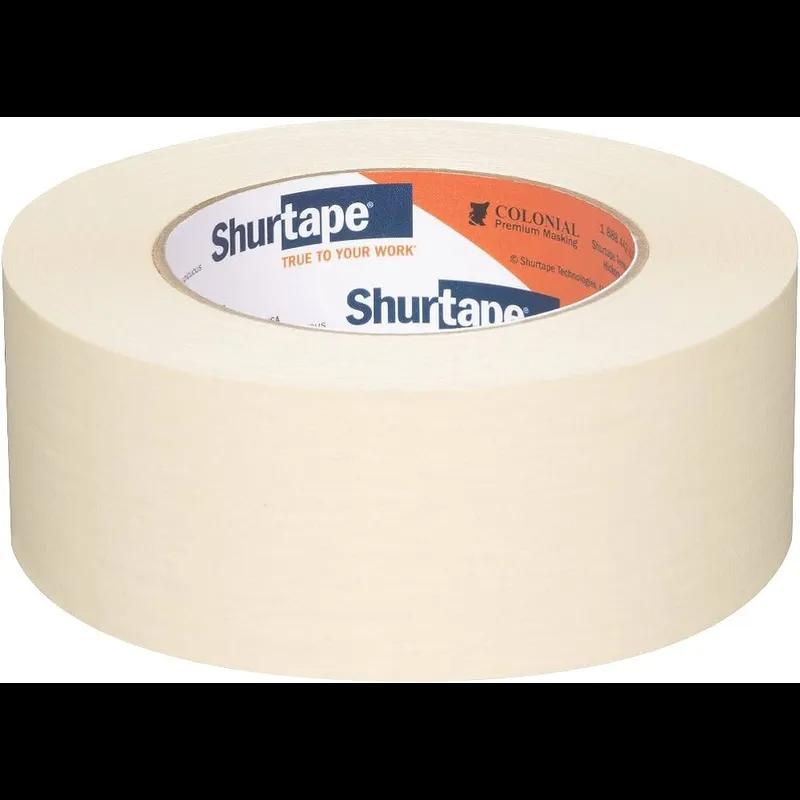
When it comes to application speed, PST has an advantage in purely manual workflows. Workers can quickly dispense and apply tape with a handheld dispenser, without the need for any additional equipment.
However, PST can sometimes slow packers down when the tape splits, wrinkles, curls, or sticks to itself. These minor frustrations can add up quickly over thousands of packages.
Material Usage & Waste
Material usage is an area where PST often falls behind. To compensate for its lower bonding strength, packers commonly apply two or three strips across the seam or use an H-pattern for reinforcement.
Over time, this can lead to significantly higher tape consumption compared to the single-strip application you expect with WAT.
Appearance & Branding Potential
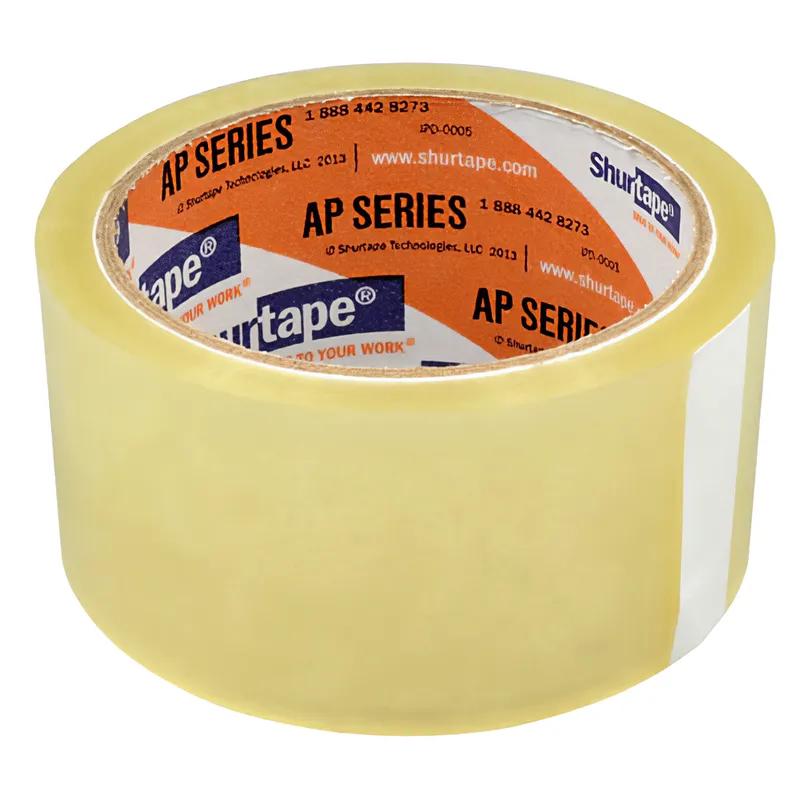
From an appearance and branding standpoint, PST is visually serviceable, but doesn’t always achieve the polished-looking finish some brands want.
Clear tape can show fingerprints or create air bubbles and tan tape can contrast against lighter cartons.
Printed PST is available, but the print quality is often less crisp than gummed tape.
Carton Compatibility
Carton compatibility can also be a challenge. Recycled cardboard with rougher services can prevent PST from forming a uniform bond. Low temperatures can make the adhesive brittle, and dusty environments can reduce tack, resulting in peeling or lifting edges that require more tape to fix.
Cost-In-Use
On the surface, you’d likely assume PST will win since the price per roll is generally lower. But the real cost equation changes when you factor in labor time, wasted tape from reapplication, and increased tape use per box.

While PST can still be the more economical choice for low-volume operations or very lightweight shipments, many medium-to-high volume facilities will eventually find it less cost-efficient than they expect.
Best Use Cases
Pressure sensitive tape still has a strong place in the industrial packaging world, but understanding its limitations helps you evaluate it more clearly and choose it for the scenarios where it truly excels.
- Ideal for low-to-medium pack-and-ship environments where sealing is done intermittently throughout the day.
- Works best for lightweight or moderately filled cartons and short-distance shipments that don’t require heavy-duty sealing strength.
- Useful in operations where packers frequently shift tasks and need fast, familiar manual application with no extra equipment or training.
- Strong choice for sealing poly mailers, irregular cartons, and mixed materials where instant adhesion is helpful.
- Fits well in environments with limited space or budgets, since PST requires only handheld tape guns.
- Practical for returns packaging, internal transfers, and small business shipping counters focused around ease and convenience.
Questions to Ask to Help You Choose the Best Tape
Let’s bring everything together. Choosing between water activated tape and pressure sensitive tape comes down to understanding the environment you’re operating in, the products you ship, and the workflow your team depends on—not just the tape you’re used to reaching for.
Here are some questions you can ask to help guide your decision:
- Package Weight, Strength Needs, and Handling Conditions
- How heavy is our typical carton?
- Are we shipping dense, heavy products or lighter, loosely filled boxes?
- Do our packages travel long distances or move through rough handling environments?
- Corrugate Quality and Box Construction
- Are we using new, high-quality corrugate or recycled and lightweight boxes?
- Do we frequently see popped seams, tape lifting, or boxes needing multiple strops to stay shut?
- Are we trying to improve packout consistency or reduce tape usage per box?
- Workflow, Labor, and Equipment Requirements
- Do we seal boxes continuously in high volumes or only intermittently?
- Would automated or semi-automated dispensing equipment streamline our workflow?
- How experienced is our packing staff, and how consistent are our current seals?
- Does our team seal boxes on the go or stay at packing stations?
- Budget, Waste Reduction, and Total Cost of Ownership
- What is our current cost per sealed carton (not just cost per roll)?
- Do we consistently lose money on extra tape use, repeated passes, or failed seals in transit?
- Do we have the budget and space for a WAT dispenser, or do we need a low-equipment solution?
- Are we trying to reduce plastic waste, improve sustainability, or cut down on roll changes?
- Environmental Conditions and Storage
- Do we operate in dusty, humid, or hot/cold environments where adhesives can fail?
- Are boxes stored for long periods before shipment, requiring a more reliable long-term bond?
- Do we need a tape that performs well even when surfaces aren’t perfectly clean?
- Branding, Presentation, and Customer Experience
- Do we want every box to leave our facility with a professional, uniform appearance?
- Would custom-printed tape improve brand recognition or customer satisfaction?
- Is tamper-evidence or premium packaging part of our value proposition?
If your shipments are heavy, your cartons are recycled, or you need a clean, tamper-evident seal every time, water activated tape is likely the best choice for you.
If your workflow is flexible, your packing volume is low-to-moderate, and you need fast, equipment-free sealing, pressure sensitive tape delivers strong day-to-day convenience.
Final Tips for Making the Right Tape Decision
- Match the tape to the shipping risk. The heavier the product, the farther it travels, or the more hands it passes through, the more value WAT offers in long-term seal strength.
- Don’t underestimate carton quality. Recycled corrugate and uneven surfaces often require the fiber-bonding strength of water activated tape to avoid lifting or failed seals.
- Consider total cost per sealed box, not just cost per roll. Even if WAT seems more expensive upfront, it often reduces re-taping, damage claims, and tape consumption.
- Reach out to Imperial Dade: We can provide samples, performance data, and comparisons to similar operations.
- Think about speed and workflow. If your team seals boxes nonstop, a WAT dispenser may increase efficiency. If they pack intermittently, PST may be more convenient.
- Evaluate your space and equipment limits. PST works with a simple handheld tape gun and minimal storage, while WAT benefits from dispensers and a designated packing station.
- Align your tape with your brand experience. If clean presentation, printed tape, or tamper-evident packaging matters, WAT typically provides a stronger visual impact.
- Account for environmental conditions. Dust, humidity, and fluctuating temperatures can weaken PST adhesives but rarely affect WAT’s bond.
- Be honest about your team’s habits. If packers tend to apply multiple strips or struggle with consistency, WAT can instantly standardize every seal.
Final Thoughts
Water activated tape and pressure sensitive tape each have important roles to play in the industrial packaging world, but they excel in different areas. Once you understand how they compare in seal strength, usability, cost-in-use, and visual presentation, it becomes much easier to choose the tape that supports your operational needs.
If your priorities are professional appearance, branding opportunities, seal integrity, and long-term cost efficiency, water activated tape will likely be the right choice.
If you need something quick, familiar, and easy to use for light-duty packing tasks, pressure sensitive tape may be a better fit for you.
In either case, your packaging tape is more than just a small supply item. It can directly influence customer satisfaction, operational efficiency, and even the overall reputation of your brand.
Ready to evaluate the best tape or dispenser options for your facility? Reach out to Imperial Dade! Our team of experts can provide a free consultation and samples to help you make the best choice for your operation’s needs. Take the next step so that every box that leaves your facility represents your business at its best.
Check Out These Related Articles:
- Industrial Packaging Tape: Everything You Need to Know
- The Best Industrial Packaging Solutions for Fragile Items
- How to Calculate the Right Box Size for Shipping: A Complete Guide
- Shrink Wrap vs. Stretch Wrap: What’s the Difference & When to Use Each
- Troubleshooting Heat Sealers 101: Common Issues and Maintenance Guide
- How to Use a Heat Sealer: Step-by-Step Guide, Safety Tips & Best Practices
- What Is a Heat Sealer? Uses, Types, and Benefits for Industrial Packaging
- Void Fill 101: A Guide to Safe Shipping and Transporting Goods